FDA Identifies More CT Scan Problems with Dangerous Radiation Levels
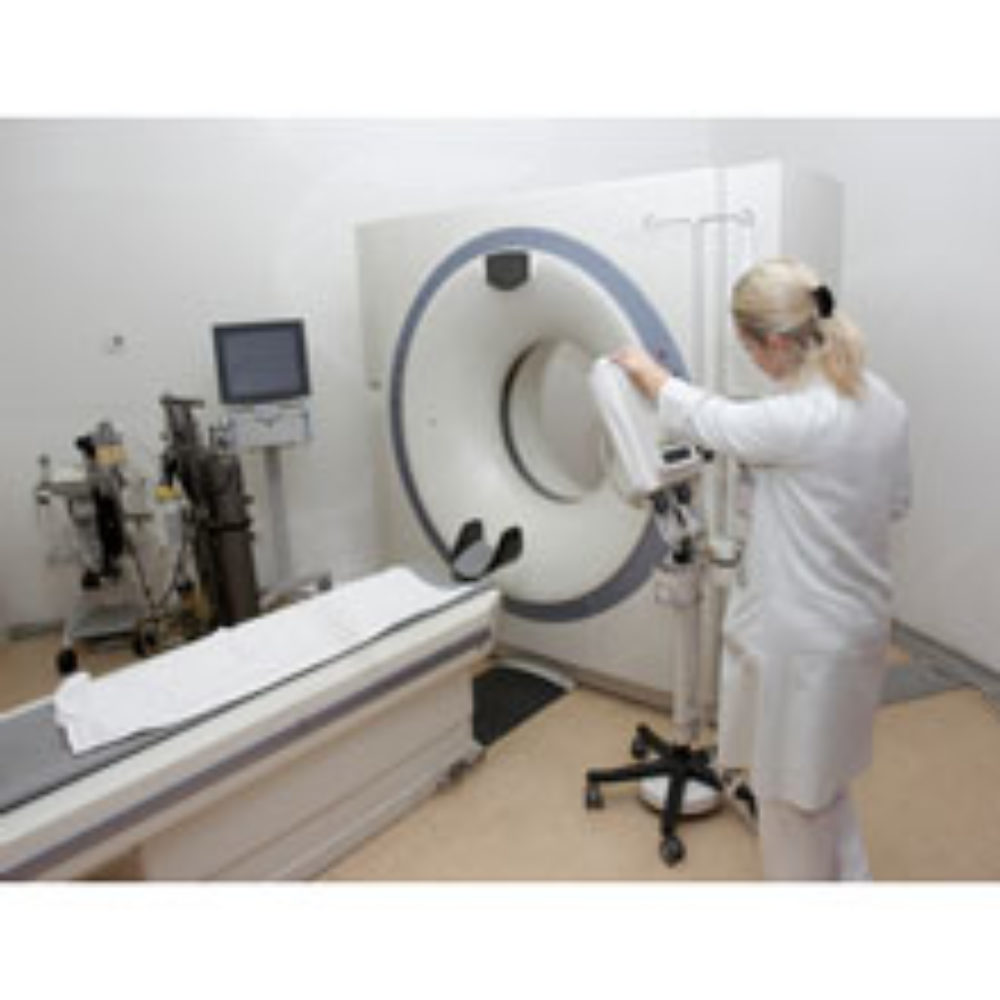
The FDA has identified at least 50 more patients who were subjected to potentially dangerous radiation overdoses during CT scans. The revelations are part of an ongoing investigation sparked by reports in October that more than 200 patients at Ceders-Sinai Medical Center in Los Angeles were subjected to overexposure to radiation.
In a statement issued Monday, the FDA issued interim recommendations to help prevent additional problems. The federal regulatory agency indicates that since their initial safety notification about the potential CT scan problems in October, they have identified additional cases where patients were exposed to excess radiation of up to eight times the expected level during CT perfusion scans.
The newest findings seem to confirm FDA suspicions that there is a widespread problem with radiation overexposure with CT brain scans. Although all of the initial 200 reports came from one hospital, the latest reports come from a number of different hospitals using different CT scanning equipment.
Did You Know?
Millions of Philips CPAP Machines Recalled
Philips DreamStation, CPAP and BiPAP machines sold in recent years may pose a risk of cancer, lung damage and other injuries.
Learn MoreAs a result of the CT scan radiation overexposure, some patients suffered from hair loss and erythema, according to the FDA. Erythema is redness of the skin similar to sunburn and is a common side effect of radiotherapy treatment. The agency also said that the risk is not limited to CT brain profusion scans, but applies to all CT perfusion scans, including heart scans.
The ongoing investigation is being conducted to assess the scope of the CT scan problem and to determine whether any regulatory action is required. The agency has released a list of interim recommendations for radiologists and imaging facilities to follow while its investigation continues. The interim recommendations include:
- Facilities assess whether patients who underwent CT perfusion scans received excess radiation.
- Facilities review their radiation dosing protocols for all CT perfusion studies to ensure that the correct dosing is planned for each study.
- Facilities implement quality control procedures to ensure that dosing protocols are followed every time and the planned amount of radiation is administered.
- Radiologic technologists check the CT scanner display panel before performing a study to make sure the amount of radiation to be delivered is at the appropriate level for the individual patient.
- If more than one study is performed on a patient during one imaging session, practitioners should adjust the dose of radiation so it is appropriate for each study.
At least one CT scan radiation exposure lawsuit has already been filed against Ceders-Sinai Hospital. The case, filed in October by plaintiff Trevor Reese, seeks class action status for all patients who were subjected to high levels of radiation due to incorrectly administered CT scans at the hospital over an 18 month period. Rees alleges that he suffered radiation exposure symptoms, including reddened skin, burns, hair loss, and flaking of the scalp.
Get more articles like this sent directly to your inbox.
"*" indicates required fields


8 Comments

RobDecember 18, 2014 at 7:45 pm
I just had a scan for blockage The next day my face turned bright red and blistered Like my face was on fire One week later still peeling like a bad sunburn I have had scans before with no problems What's up with this One week from scan will be tomorrow
JamesDecember 9, 2013 at 12:39 am
I had a Pet scan late Dec 2012. In January about two weeks later I developed stiffnes in my hands fingers and wrists. I have never had arthurits or any symptoms. The problem went away for several months and then came back with a vengence. My question is could this have been caused by the scan? The scan was done in Rochester NY. I have been able to find any pain reliver that eases the severe pain. [Show More]I had a Pet scan late Dec 2012. In January about two weeks later I developed stiffnes in my hands fingers and wrists. I have never had arthurits or any symptoms. The problem went away for several months and then came back with a vengence. My question is could this have been caused by the scan? The scan was done in Rochester NY. I have been able to find any pain reliver that eases the severe pain. I have been to a rumatoligest but I am not sure of his evaluation. I might add in 2011 i had a paradectomy with 6 weeks of follow up radiation.
GregDecember 8, 2013 at 10:05 pm
I have had five CT scans in the last four months. The last one was for a chest CT scan. They ran the scan over it two times and stated the first was to find the position. Then the speaker stated the scans were complete. The table was repositioned so that my groin/ prostate area was under the spinning part of the CT machine and the spinning kept going for several minutes. I was only there[Show More]I have had five CT scans in the last four months. The last one was for a chest CT scan. They ran the scan over it two times and stated the first was to find the position. Then the speaker stated the scans were complete. The table was repositioned so that my groin/ prostate area was under the spinning part of the CT machine and the spinning kept going for several minutes. I was only there for a Chest CT scan. I asked why it was still spinning and was told no radiation was being emitted and that the spinning was only the machine cooling down. The seemed unaware at first that the machine was still spinning until I told them. Does the machine spin for several minutes to cool down or was it emitting radiation and exposure?
RossDecember 2, 2011 at 1:12 am
Does anyone know: when having a Ct Guided liver Biopsy, is a CT tecnician required to work the scaner or can the Dr.perform both solo. If there are Blanks in the CD Series is this normal? Using a Seamens Somaton + 4 in 2006.
RossDecember 1, 2011 at 7:28 pm
Does anyone know when having a Ct Guided liver Biopsy does this procedure requir a Ct technician to asset the Dr. also If there are Blanks in the CD Series is this normal, Were using a Seamens Somaton + 4 in 2006
PaulaJuly 26, 2010 at 11:35 am
In the past 3 years, I have had between 3-4 CT-scans preformed in order to find a hernia which had been repaired unsuccessfully three times. Now I am experiencing sever lower back pain in the vacinity of my kidneys. Could I be at risk for cancer of the kidneys?
NancyJune 20, 2010 at 7:43 pm
During the past three years I have had several X-rays and even more cat scans in different parts of my body. I would like information on how many is too many and what are the guidllines. What are the concerns and is there any way to rid the body of radiation?
LiApril 22, 2010 at 8:45 pm
I had accident during 2007. I was sent to a hospital and they did 14 CT scans and many X-ray on me with- in 2 months. How much radiation did I receive? Is there any Atty. that can advise me re: a potential lawsuit???