Plastic Bottle Chemicals Still Raise Safety Concerns
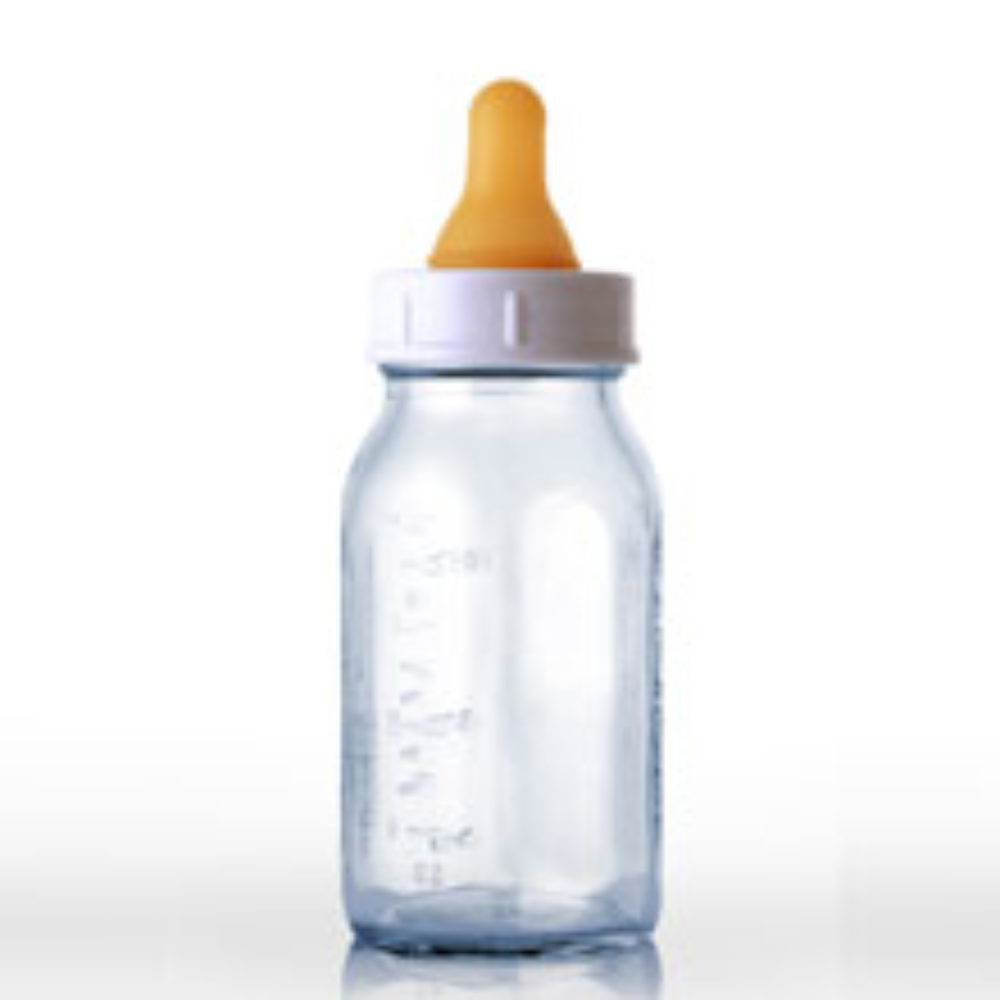
The National Toxicology Program (NTP), of the U.S. Department of Health and Human Services, released a final report yesterday about the chemical compound bisphenol A (BPA), which is used in hard plastic products, including baby bottles and other baby products. The government indicates that there is still “some concern” that the plastic chemical may cause problems with development and health.
Bisphenol A is a chemical compound used in the production of polycarbonate, a type of hard plastic. The BPA chemical helps prevent the plastic from shattering, which many argue is a necessary safety feature.
In recent years, concerns have emerged about the health risk this plastic bottle chemical may pose to the general public, and particularly young children and infants who are still developing.
Did You Know?
Millions of Philips CPAP Machines Recalled
Philips DreamStation, CPAP and BiPAP machines sold in recent years may pose a risk of cancer, lung damage and other injuries.
Learn MoreBPA has been suspected of having adverse effects on reproductive health as it is an estrogen agonist and mimics the action of the body’s own natural hormone, estrogen. It is also an endocrine disruptor and may cause malfunctioning of the hormonal system if the body is exposed to low doses of BPA over a long period of time.
Animal studies between 1997 and 2005 have shown changes in the genital tract, a decline in testicular testosterone, decreasing maternal behaviors and changes in breast tissue, predisposing it to carcinogens. Though these findings have not been conclusively established, it is thought that low doses of BPA absorbed into the body over a long period of time may cause chronic toxicity in humans.
The NTP report does not call for a ban of the plastics chemical, but states that further investigation and testing of BPA in human studies is needed. It rated their level of concern as “some concern”, which falls in the middle of a five level scale of concerns which ranged from “negligible concern” to “serious concern.”
Earlier this year, the FDA took a controversial position when they indicated that BPA was safe to use in feeding bottles, and that they had no reason to believe the chemical should be banned. However, the FDA is holding an advisory panel meeting of independent experts on September 16, 2008 to discuss the issue further.
There have been movements in several states to ban the use of the BPA plastic bottle chemical, and law makers in Canada announced their intention to ban BPA in baby bottles in April 2008. U.S Senator Charles Schumer (D-NY) has introduced legislation banning BPA in infant products throughout the United States. In addition, a number of large retailers, including Wal-Mart and Toys “R” Us, have stopped selling any baby bottles that contain the BPA chemical.
In June 2008, a plastic baby bottle class action lawsuit was filed against five companies who manufacture and sell baby bottles that contain BPA, including Evenflo Co., Avent America, Inc., Handicraft Co., Playtex and Gerber Novartis. The lawsuit alleges that the manufacturers failed to adequately disclose the health risks associated with the plastic bottle chemical.
Get more articles like this sent directly to your inbox.
"*" indicates required fields


7 Comments

ChrisineApril 6, 2009 at 2:18 pm
I have to wonder if there is a link between my son's developmental delays and plastic in general. He is currently being evaluated. I prepared all of his baby food in a plastic cuisinart miniprep food processor. I am starting to feed my 1 year old the regular jarred foods just incase there is a link.
Toxic Baby Bottles with BPA Will No Longer Be Sold by 6 Manufacturers : AboutLawsuits.comMarch 9, 2009 at 6:15 pm
[...] Concerns over toxic baby bottles have grown over the past year, as studies have suggested that low doses of BPA can be absorbed by the body over a long period of time, potentially resulting in developmental and health problems in fetuses, infants and children. [...]
States Ask Manufacturers to Stop Using BPA Chemical in Baby Bottles : AboutLawsuits.comOctober 15, 2008 at 6:15 pm
[...] Human Services, government officials indicated that they have “some concern” that the plastic chemical may cause problems with development and health. They called for further investigations and testing of BPA in human [...]
BPA Plastic Bottle Chemical Linked to Risk of Diabetes, Heart Disease, Liver Problems : AboutLawsuits.comSeptember 17, 2008 at 3:12 pm
[...] effects on health and development in animal studies, and recently concerns have emerged about the health risks it may pose to humans. Over a period of time, people could be exposed to high levels of BPA through food and liquid when [...]
Bisphenol A (BPA) Lawsuits : AboutLawsuits.comSeptember 5, 2008 at 7:17 pm
[...] recent years, concerns have emerged about the plastic bottle chemical’s side effects, especially among young children and infants who are still [...]
John Charles Webb, Jr.September 4, 2008 at 5:32 pm
Perhaps this discovery about Bisphenol A may provide clues to the 'autism epidemic' among our children.
DorotheaSeptember 4, 2008 at 4:53 pm
Has Bisphenol been tested for length of time its capacity for being a non-decrepit item could be predicted? It might be very important if the chemical has gotten into fresh or salt water. And has it been investigated for residue which could occur if it were subjected to steady temperatures above seventy-eight degrees farhenheit? Would the chemical float to surface waters or remain in the bottom[Show More]Has Bisphenol been tested for length of time its capacity for being a non-decrepit item could be predicted? It might be very important if the chemical has gotten into fresh or salt water. And has it been investigated for residue which could occur if it were subjected to steady temperatures above seventy-eight degrees farhenheit? Would the chemical float to surface waters or remain in the bottom of a field of water? I think the chemical Bisphenol might affect more than only baby bottles.