FDA Warns GDH-PQQ Glucose Test Strips May Lead to Serious Injury or Death

The FDA is warning diabetics to avoid using glucose test strips or meters relying on glucose dehydrogenase pyrroloquinoline quinone (GHD-PQQ) because the strips can give false readings that could lead the user to mistakenly take an insulin overdose.
The warning, issued August 13, alerts users that GDH-PQQ-based glucose test strips or meters cannot distinguish between glucose and non-glucose sugars, which may be an ingredient in other medications. This can lead to false blood sugar readings and mask significant hypoglycemia or result in the user taking too much insulin, leading to an overdose and possibly death.
At least 13 deaths since 1997, six of which occurred in the last two years, have been attributed to the GHD-PPQ glucose test strip problems, according to the FDA.
Did You Know?
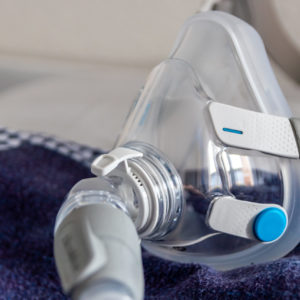
Millions of Philips CPAP Machines Recalled
Philips DreamStation, CPAP and BiPAP machines sold in recent years may pose a risk of cancer, lung damage and other injuries.
Learn MoreThe FDA released a list of test strips using the GDH-PQQ methodology that diabetics and healthcare professionals should avoid. The entire list, available on the FDA website, includes certain types of ACCU-CHEK test strips by Roche Diagnostics, Freestyle test strips by Abbott Diabetes Care, and TRUEtest test strips by Home Diagnostics. The FDA says it is working with the manufacturers to address the problems with the GDH-PQQ strips.
The GDH-PQQ glucose test strips can generate results three to 15 times higher than normal when the patient is on other medications using maltose or other non-glucose sugars. Three of the 13 patients who died as a result of insulin overdose were receiving maltose-containing medications, while ten others were receiving Extraneal (icodextrin) peritoneal dialysis solution for renal failure.
All of the glucose test strip deaths occurred when the patients were given an overdose of insulin guided by the false readings. The FDA reports that, for example, the test strips reported a blood glucose level of 193 mg/dL for a patient later found by laboratory tests to only have a blood level of 8 mg/dL. In some cases, patients suffered serious injury before death, including hypoglycemia, confusion, neurologic deterioration, severe hypoxia, brain damage and coma.
The FDA warned that the test strips listed may be distributed under multiple names, and manufacturers may change to non-GFH-PQQ methodology but keep the same names, so patients and healthcare providers should always check device labeling or contact the test strip manufacturer to confirm the type of methodology used.
Roche Diagnostics:
- ACCU-CHEK Comfort Curve test strips, for use with:
- ACCU-CHEK Inform meters [model 2001201]
- ACCU-CHEK Complete meters [models 200 and 250]
- ACCU-CHEK Advantage meters [models 888, 831, 850, and 768]
- ACCU-CHEK Voicemate meters [model 0009221]
- ACCU-CHEK Aviva test strips, for use with:
- ACCU-CHEK Aviva meters [models 525, 535, and 555]
- ACCU-CHEK Compact test strips, for use with:
- ACCU-CHEK Compact meters [model GF]
- ACCU-CHEK Compact Plus meters [models GP and GT]
- ACCU-CHEK Go test strips
- ACCU-CHEK Go meters [model GJ]
- ACCU-CHEK Active test strips
- ACCU-CHEK Active meters [models GG and GN]
Abbott Diabetes Care:
- Freestyle test strips, for use with:
- FreeStyle meters
- FreeStyle Flash meters
- FreeStyle Freedom meters
- Freestyle Lite test strips, for use with:
- FreeStyle Lite meters
- FreeStyle Freedom Lite meters
Home Diagnostics:
- TRUEtest test strips
- TRUEresult meters
- TRUE2go meters
Smiths Medical:
- Abbott Diabetes Care Freestyle test strips, for use with:
- CoZmonitor blood glucose module (for use with the Deltec Cozmo Insulin Pump)
Insulet:
- Abbott Diabetes Care Freestyle test strips, for use with:
- OmniPod Insulin Management System
Get more articles like this sent directly to your inbox.
"*" indicates required fields


8 Comments

TiffanyDecember 15, 2015 at 4:09 pm
I just received a true test meter and the gdh-pqq test strips 2 weeks ago and just came across this article about them. And I am quite concerned but not surprised on how these so called medical professionals aren't giving a damn about people's lifes, the only reason that pharmacist got mad was because she knew she was in the wrong.people have lost there humanity..
DonaldJune 23, 2014 at 3:19 pm
I am a vet and I get my meter and strips from the V.A.. about a month ago, they sent me a new meter. It is a TRUE result. The strips are GDH-PQQ. Should I use them or return them to the V.A. Please advise as to what I should do. Thank's Don
SUSIEAugust 27, 2011 at 10:02 pm
As of August 27, 2011 the TRUEtest strips are still the same and no recalls or warnings have occurred at all. I regularly drink Glucerna diabetic shakes to keep my sugar stabilized and they are loaded with maltose. I've been adjusting my insulin going by what the test strip reports. No wonder why I've been so weak & dizzy!!!
CANDYNovember 1, 2010 at 8:38 pm
WOW, I bill for a Diabetic CO. and I just came across this information a few weeks ago, We are sending all our Patients News Letters on this subject, as i was shocked and cannot beleave this is being accepted. Many of the people using these products are on insulin taking DM meds and not to mention on Dialysis.
RNMay 17, 2010 at 6:06 am
Don't feel bad about the doctor giving you a meter 10 days after the notice. My clinic pharmacy REQUIRED me to change to this meter 4 months after this notice because the strips are cheaper to profit (gee...I wonder why?!?) I have been using it it for 5 months now. I accidentally stumbled onto this notice. Thanks for posting this information!
JGAugust 30, 2009 at 1:55 am
I was diagnosed with Type II diabetes this past Monday. The doctor gave me the Freestyle Lite meter and test strips. Now I wonder if I'm treating myself correctly. Wouldn't the doctor have been given this notice since it was posted by the FDA 10 days earlier?
MartelizaAugust 18, 2009 at 10:21 pm
I am a Type-1 diabetic for 25 years, and check my blood sugar levels every two hours. I have no other alternative but to rely on these numbers, the test result allows me to determine how much insulin I inject whenever I eat and each night before I go to sleep, I have used Accu-Check meters and the very expensive little strips and found them highly inaccurate and very capable of error. I hav[Show More]I am a Type-1 diabetic for 25 years, and check my blood sugar levels every two hours. I have no other alternative but to rely on these numbers, the test result allows me to determine how much insulin I inject whenever I eat and each night before I go to sleep, I have used Accu-Check meters and the very expensive little strips and found them highly inaccurate and very capable of error. I have reported my problems to the the number on the back of the meter and a polite but clueless telephone rep will suggest you to get a new box of strips, change your battery, or, they will send you a new meter, (I am on my 6th new meter this year alone). I can check my blood sugar at the same time on three different fingers and get three different test results. Try it yourself. THIS IS UNACCEPTABLE, FOLKS! Especially when those numbers range 20-40 mg/dl difference, those numbers can confuse you into an insulin dosage that could take you to the great hypoglycemic beyond.
FranAugust 15, 2009 at 3:38 pm
People are dying and no medical professionals are notifying patients and customers about serious medical errors. I approached my pharmacists today with the FDA notice about my use of accu-chek active strips and she said that she gets many of the notices. I asked her what does she do with them. She said, "Nothing. Do you expect me to send out a 1000 notices?" I said, "Yes." She said that I was ques[Show More]People are dying and no medical professionals are notifying patients and customers about serious medical errors. I approached my pharmacists today with the FDA notice about my use of accu-chek active strips and she said that she gets many of the notices. I asked her what does she do with them. She said, "Nothing. Do you expect me to send out a 1000 notices?" I said, "Yes." She said that I was questioning her professionalism and she has been a pharmacists for over 40 years. I said that she has a responsibility to her customers. She replied, "Your actions are ugly and you are upsetting me. You can go to another pharmacy." I never raised my voice to her. In fact she started yelling and asked my husband to take me out the door as I was in shock. My husband later said that she was trying to get him to agree with her stand. He said that he said nothing to her because he thought it was useless talking to an erratic pharmacist. The pharmacist also ignored my concerns that Prevacid also effects the accuracy of taking a glucose test according to my doctor. I called another pharmacist to get her reaction on handling the notice. I was told that she would only act upon the notice if a customer personally gave it to her. If this is the attitude of pharmacists, why should the FDA even send these notices? What is the legal responsibility of the medical field notifying their patients and customers concerning serious medical errors? Can a class action lawsuit be applied?