Jury Returns Defense Verdict in Fosamax Femur Fracture Lawsuit

Following more than three weeks of trial, in what was the first complete Fosamax femur fracture lawsuit to go to court, a New Jersey jury has returned a defense verdict in favor of Merck, determining that the drug maker did not fail to adequately warn about the side effects associated with their popular osteoporosis drug.
The verdict was handed down on Monday, in the U.S. District Court for the District of New Jersey, where all federal Fosamax lawsuits involving allegations that users suffered a sudden fracture of their femur have been consolidated as part of an MDL or multidistrict litigation.
The case involved a complaint brought by Bernadette Glynn and her husband, Richard. She claimed that side effects of Fosamax use for seven years caused her femur to fracture suddenly in April 2009. Merck did not add warnings about the risk of atypical femur fractures until 2010, but the jury found that the drug maker was not responsible for Glynn’s injury.
Did You Know?
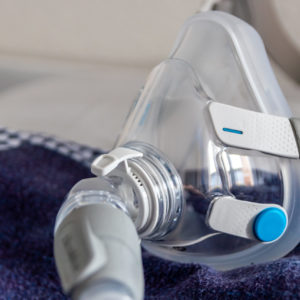
Millions of Philips CPAP Machines Recalled
Philips DreamStation, CPAP and BiPAP machines sold in recent years may pose a risk of cancer, lung damage and other injuries.
Learn MoreMerck faces thousands of similar lawsuits in state and federal courts throughout the country, alleging that the drug maker withheld information about the risk of users suffering sudden femur fractures, which can occur after little or no trauma at all.
During the trial, the drug maker argued that it got scientific information to patients and doctors in a timely manner.
Femur Fracture Evidence
Fosamax (alendronate sodium) was introduced by Merck in 1995, for treatment and prevention of osteoporosis. Before it became available as a generic in 2008, the medication generated over $3 billion in annual sales and was used by millions of Americans
In recent years, increasing evidence has emerged to suggest that use of Fosamax over long periods of time increases the risk of individuals suffering a femur fracture under circumstances that would not normally cause the bone to break, such as while taking a step or falling from standing height or less.
Most of the complaints filed throughout the country were brought after the FDA required Merck to add new warnings about the risk of bone fractures from Fosamax in October 2010. These warnings provided new information for consumers and the medical community about the importance of identifying symptoms of new hip or groin pain, which could occur before an atypical fracture of the femur.
Last year, the FDA issued new recommended guidelines for taking Fosamax and other similar oral bisphophonate medications, such as Actonel and Boniva. The agency suggested that users should consider limiting the medications to a three to five year period, which may allow individuals to reduce the risks of side effects associated with long-term use, while continuing to receive benefits for osteoporosis.
In March, a study published in the Journal of Bone & Joint Surgery established a causal link between nonhealing femur fractures and Fosamax.
The Glynn trial was actually the second to begin, but the first case ended in a mistrial in New Jersey state court earlier this year, after the Plaintiff became too sick to continue for reasons unrelated to her use of Fosamax.
A series of early trial dates are expected in state and federal court, known as “bellwether” lawsuits, because they are designed to help the parties gauge how juries are likely to respond to evidence and testimony that may be presented throughout hundreds of cases. The outcomes are also designed to promote potential Fosamax settlement agreements or other resolution for the litigation.
Get more articles like this sent directly to your inbox.
"*" indicates required fields


0 Comments